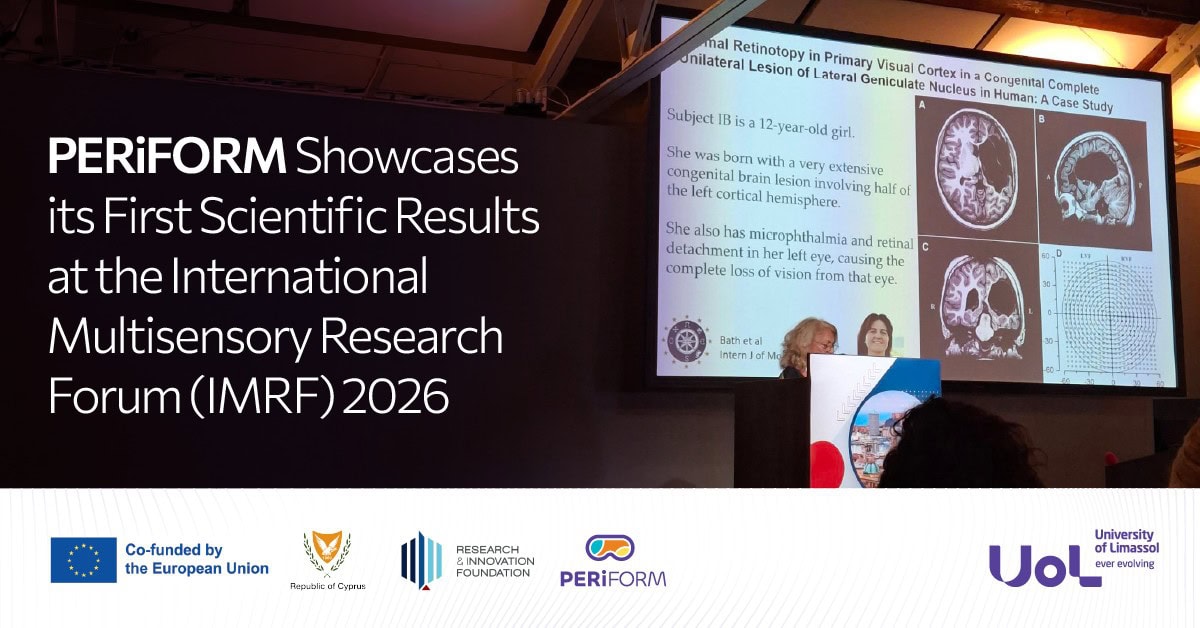
PERiFORM Showcases its First Scientific Results at the International Multisensory Research Forum (IMRF) 2026
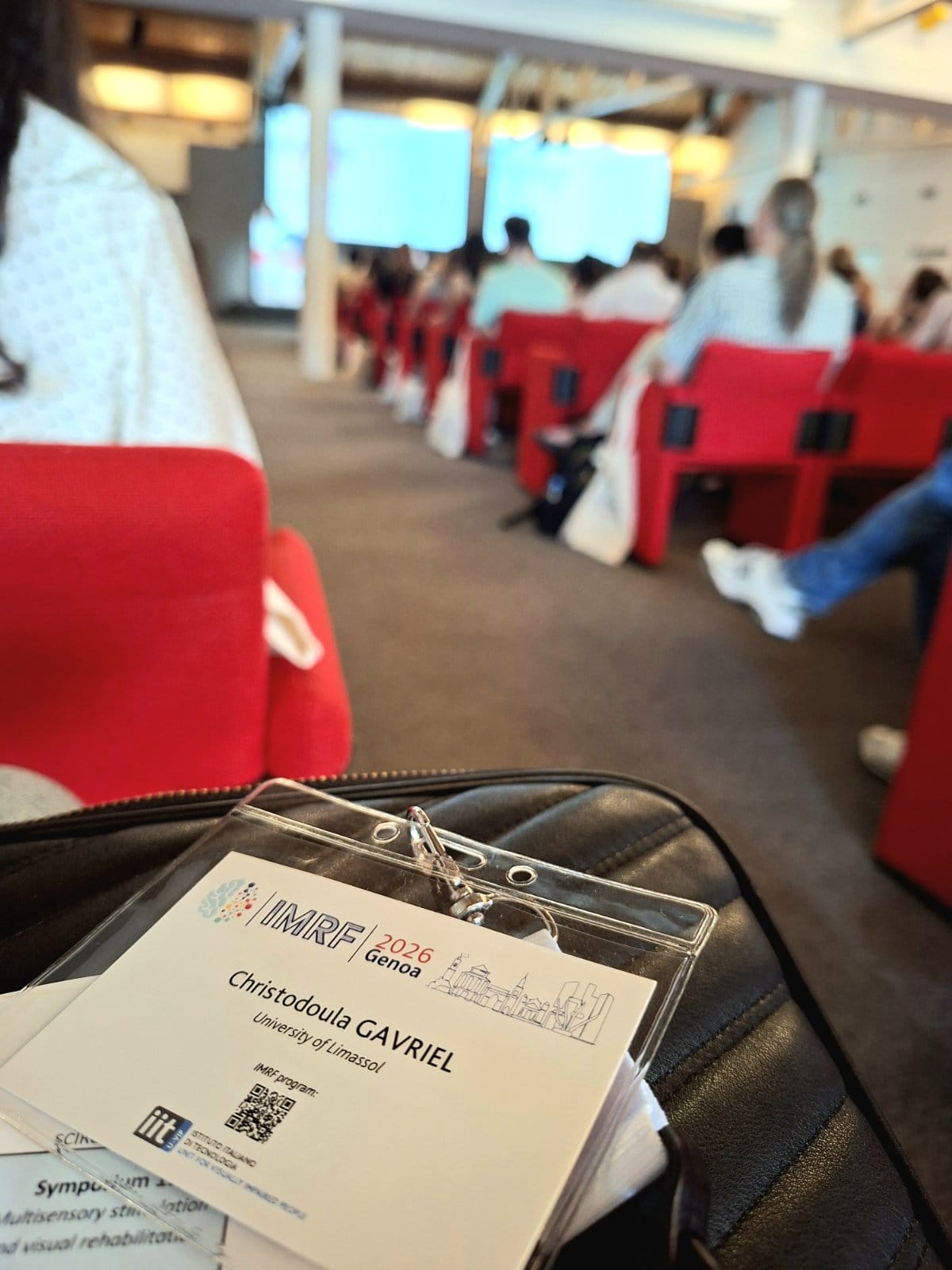
The Principal Investigator of the PERiFORM- Pushing boundaries: Peripersonal space as a tool to improve sports performance project, Dr. Christodoula Gavriel proudly participated in the International Multisensory Research Forum (IMRF) 2026, held in Genoa, Italy, from 24–27 June 2026.
Recognized as one of the leading international conferences in multisensory perception, IMRF brings together researchers from around the world to share the latest advances in neuroscience, psychology, virtual reality, sensorimotor integration, and human perception. This year’s program featured keynote lectures, scientific symposia, oral and poster presentations, workshops, and networking activities, offering an outstanding platform for scientific exchange and the dissemination of cutting-edge research.
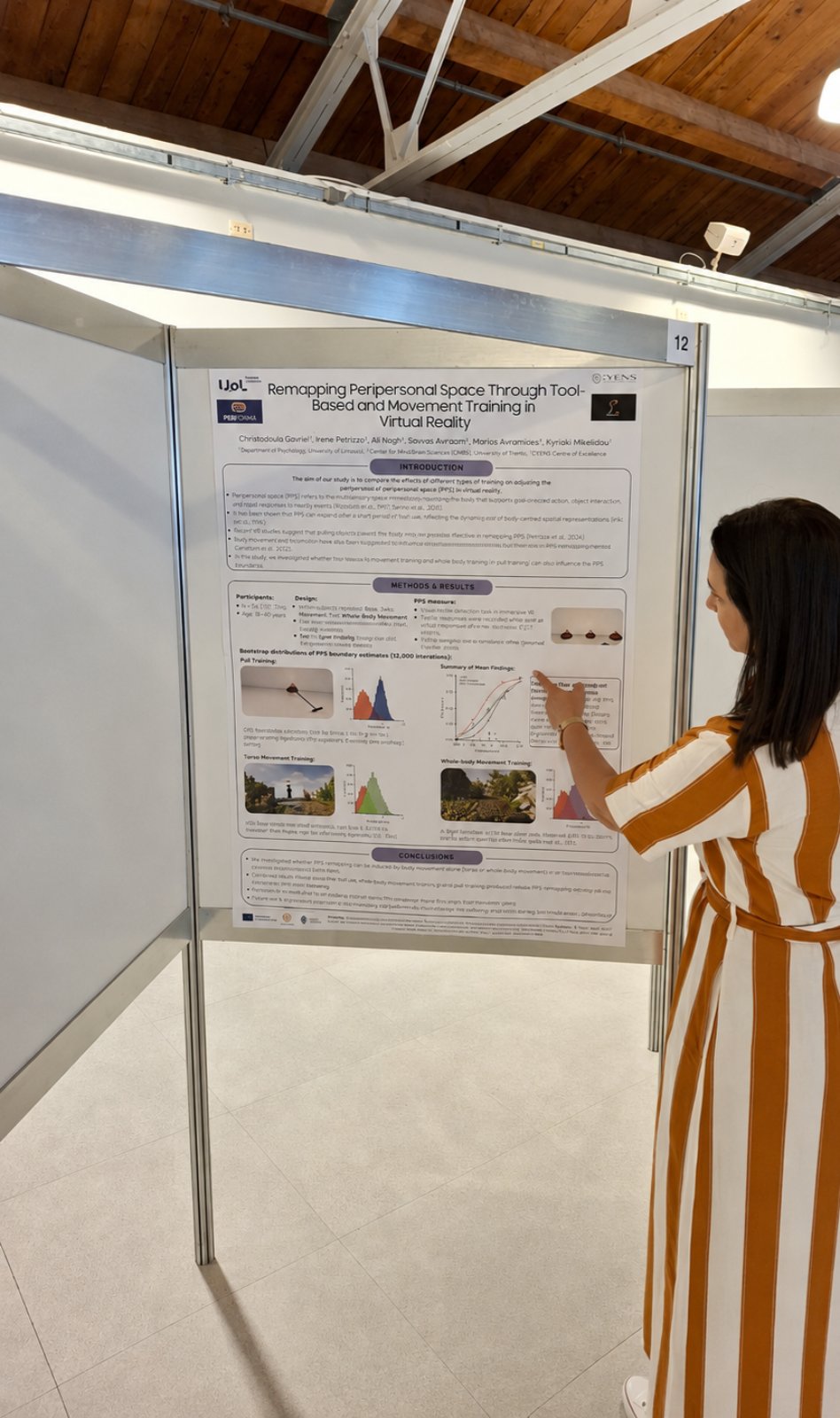
During the conference, Dr. Gavriel presented the poster Remapping Peripersonal Space Through Tool-Based and Movement Training in Virtual Reality, showcasing the first scientific results of the PERiFORM project from Work Package 3 (WP3): Evaluating Methods for Peripersonal Space (PPS) Remapping in Virtual Reality.
Peripersonal space (PPS) is the multisensory space immediately surrounding the body that supports object interaction and goal-directed actions. As part of WP3 experiment, PERiFORM investigated how immersive virtual reality can be used to reshape PPS, with the long-term goal of advancing multisensory training approaches that enhance human performance. Using a within-subjects design, 34 participants completed three virtual reality training conditions; tool-based pull training, torso movement training, and whole-body movement training; while PPS was measured before and after each intervention using a visuo-tactile detection task. The results showed that tool-mediated pull training significantly expanded peripersonal space, whereas torso and whole-body movement training did not produce significant changes. These findings highlight the importance of goal-directed tool use in reshaping body-centered spatial representations and demonstrate the potential of immersive virtual reality for studying multisensory plasticity, with promising applications in sport, motor learning, and rehabilitation.
The scientific program of IMRF 2026 closely reflected the research themes underpinning PERiFORM and provided an excellent opportunity to explore the latest developments in multisensory perception, body representation, and sensorimotor neuroscience.
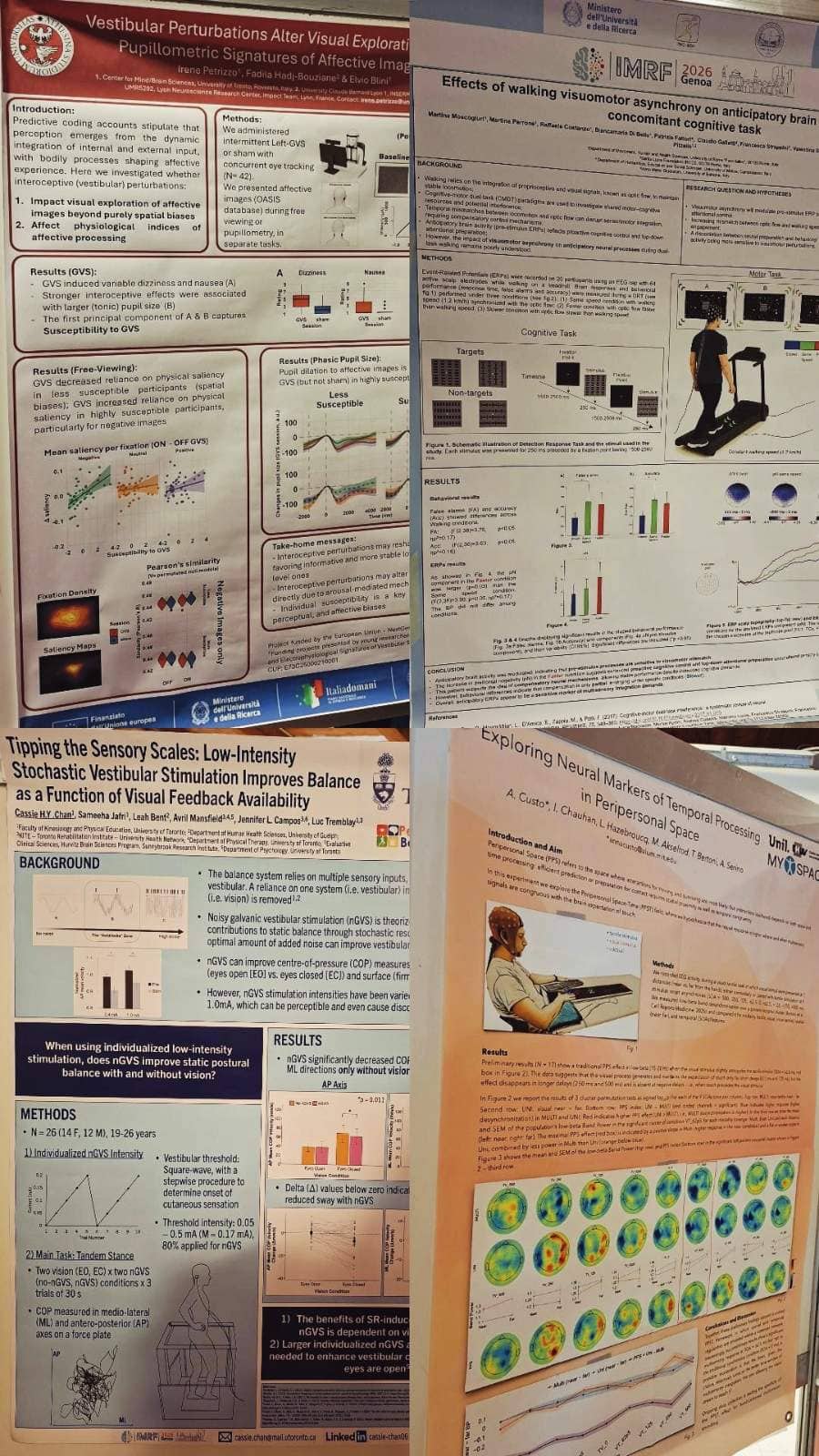
The conference’s poster sessions offered an excellent opportunity for scientific exchange, showcasing innovative research spanning multisensory perception, virtual reality, body representation, vestibular processing, and sensorimotor integration. Alongside presenting the first scientific results of PERiFORM, Dr. Gavriel engaged with researchers investigating complementary topics that closely relate to the project’s objectives.
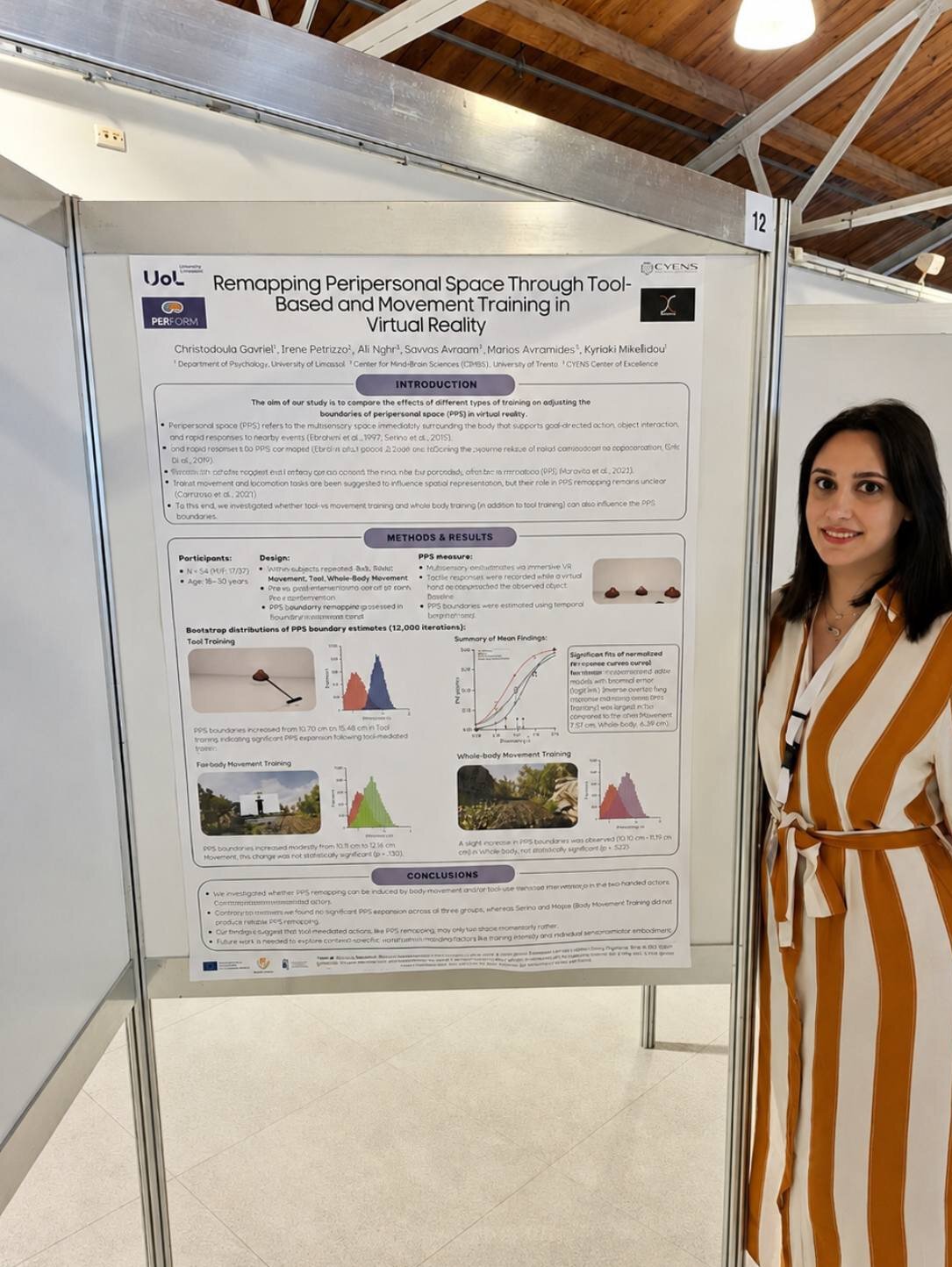
“Presenting PERiFORM’s first scientific findings at IMRF 2026 was an important milestone for the project. It was a valuable opportunity to share our research with the international multisensory community, receive constructive feedback from leading experts, and exchange ideas that will help shape the next stages of our work. Conferences such as IMRF play a vital role in fostering collaboration and advancing research on multisensory perception and virtual reality.”
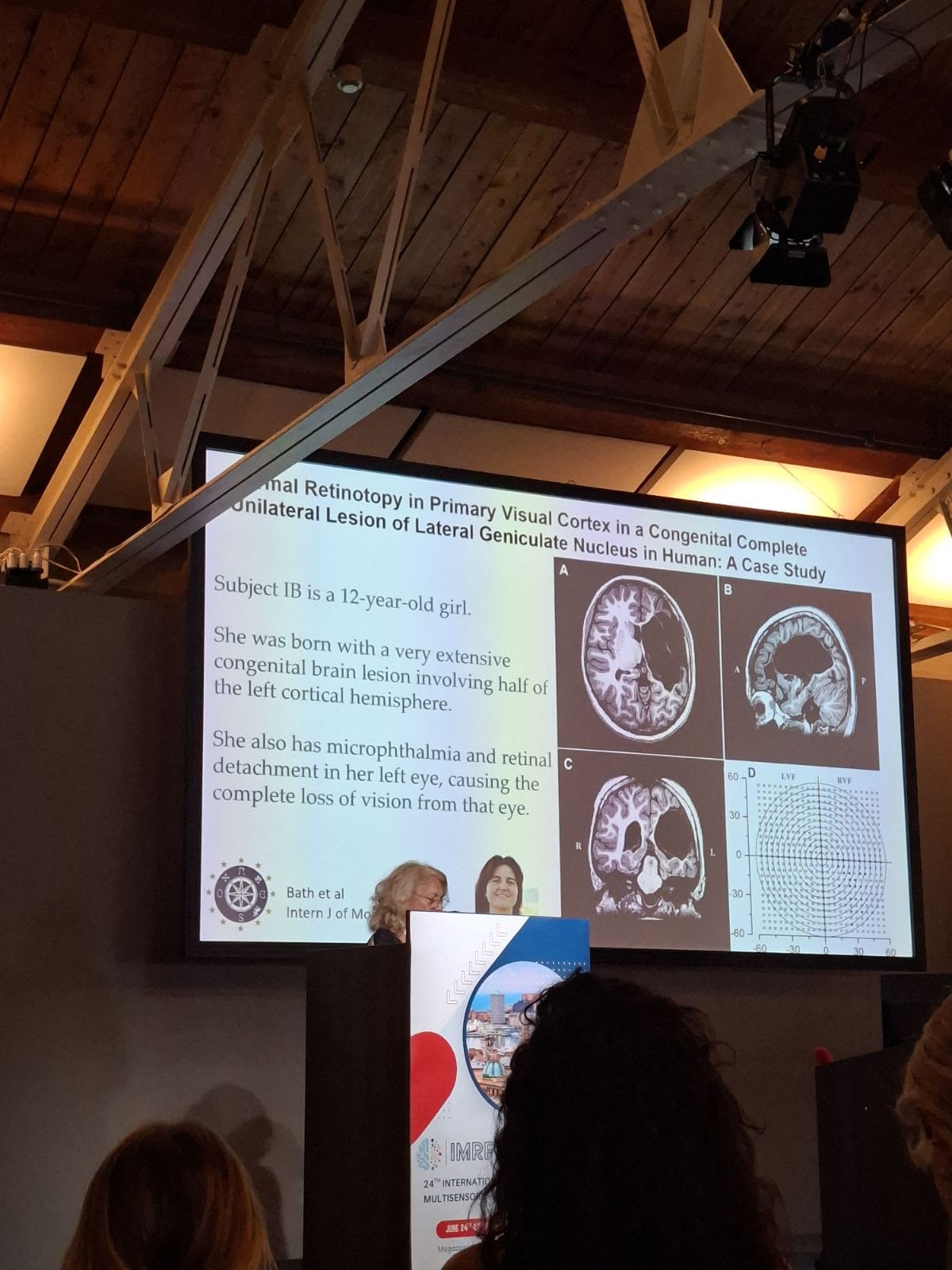
Following a number of valuable talks and scientific presentations, the conference concluded with inspiring keynote lectures demonstrating the interdisciplinary nature of multisensory research and highlighted the exciting directions in which the field continues to evolve.
Looking Ahead
Beyond presenting PERiFORM’s initial results, the conference provided an opportunity to exchange knowledge with internationally recognized researchers, establish new scientific connections, and position PERiFORM’s work within the broader landscape of contemporary multisensory research.
As PERiFORM progresses, the knowledge gained from the research being undertaken will inform the next stages of the project, supporting the development of innovative virtual-reality-based multisensory interventions to enhance human performance.
The project team looks forward to sharing further results as PERiFORM continues to advance research on peripersonal space, multisensory integration, and immersive technologies, while strengthening collaborations within the international scientific community.

The project is co-funded by the EU within the framework of the Cohesion Policy Programme “THALIA 2021-2027”. [Pr. no. POST-DOC/0524/0011] through the Research and Innovation Foundation. The content reflects the views of the author(s) only. The European Commission and the Managing Authority of THALIA 2021–2027 cannot be held responsible for any use which may be made of the information contained therein.
 English (UK)
  Ελληνικά