


The KidLe Project- Developing an Intercultural Game as a Pedagogical Tool for the Inclusion of Pupils with Migrant Backgrounds in New Learning Environments is a European-funded initiative under the ERASMUS+ Programme. Running from December 2023 to November 2025, KidLe has developed innovative educational outputs that support inclusive early education through play, particularly for children with migrant backgrounds across Europe.
The mission of KidLe was to promote inclusion and intercultural understanding in early childhood education by co-creating intercultural board games with children aged 4-8, parents, and educators. These games support the development of language, cultural awareness, and social skills in playful and engaging ways.
KidLe was implemented by a consortium of six partners from five EU countries:
- Iscte – Instituto Universitário de Lisboa (Portugal) – Coordinator
- University of Limassol and Agios Spyridonas Kindergarten, Nicosia (Cyprus)
- InterAktion (Austria)
- SIRIUS Policy Network on Migrant Education (Belgium) and
- Eurospeak Limited (Ireland)
The University of Limassol and Agios Spyridonas Kindergarten, extend heartfelt thanks to all participating schools, families, and partners at local level and across Europe. Their contribution and commitment were vital to the success, sustainability, and lasting impact of the project.
A key output of the project was the development of five intercultural board games, each reflecting real-life cultural stories and pedagogical goals.
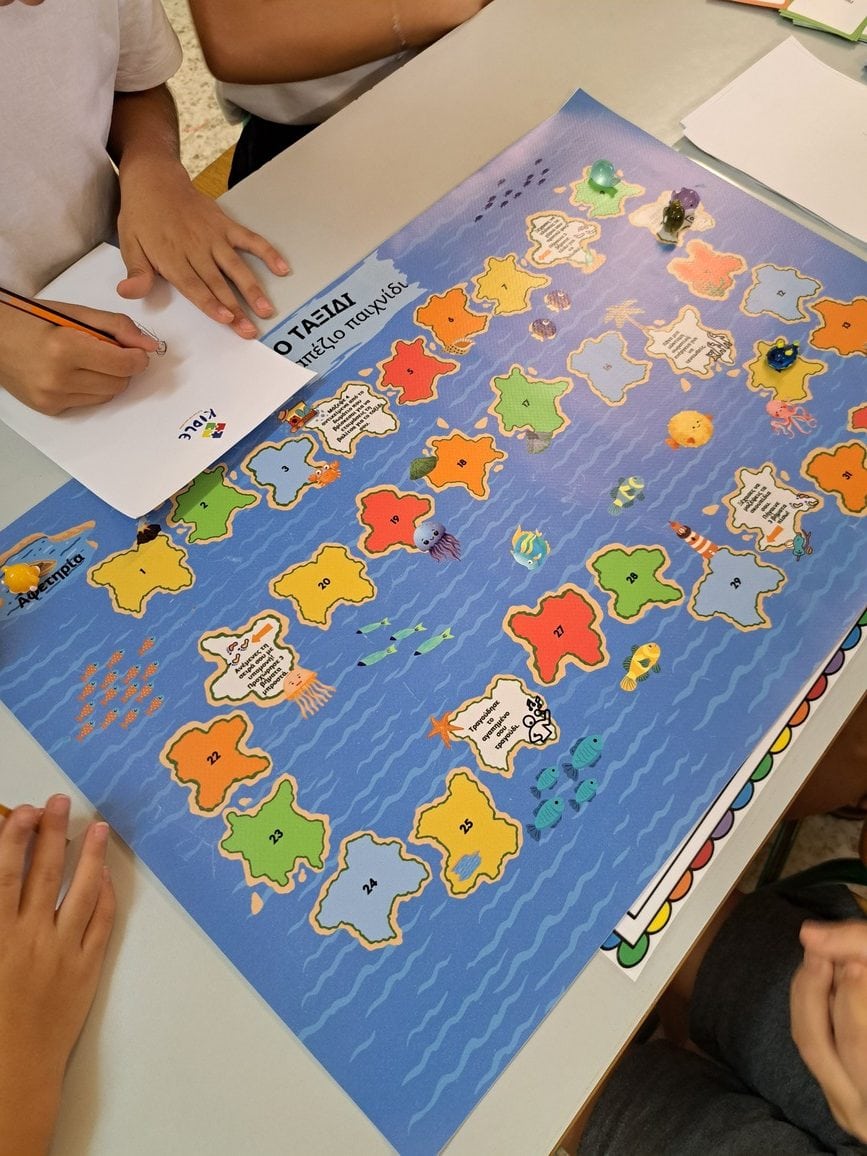
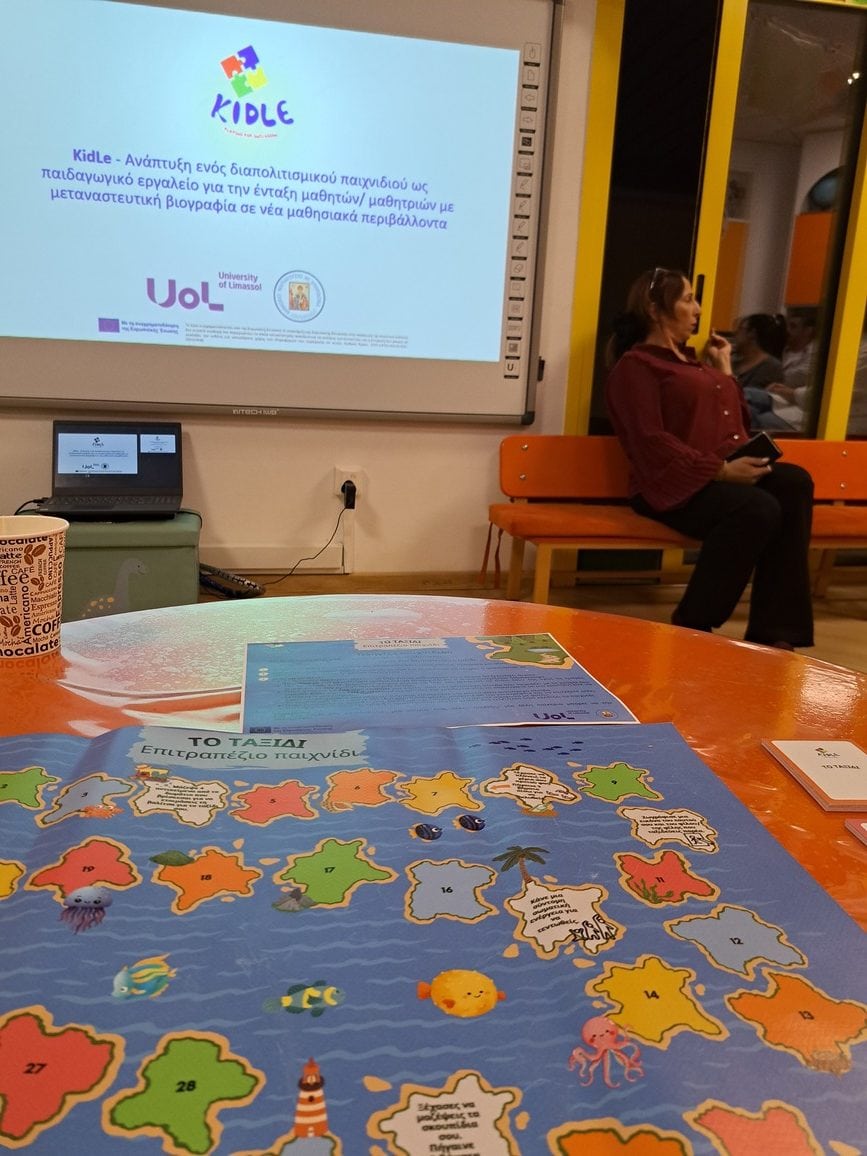
The Cypriot board game titled, “The Journey”, engages players in an adventurous and collaborative experience. Through five thematic activity categories, (Food, Language, Travel, Nature, and Emotions), players develop both verbal and non-verbal skills during gameplay. As the responses shared are different each time, depending on each players knowledge, experience and cultural background, the game fosters empathy, new learning, mutual understanding, and inclusion, benefiting especially children and families from migrant backgrounds. Language, critical thinking and communication skills are further developed as players express their thoughts, explain ideas, and respond to questions. The game also supports social and emotional development by encouraging turn-taking, cooperation, active listening, and empathy, thereby creating an environment of respect, inclusion, and teamwork. Complementing the board games, a digital gaming pack makes these resources accessible online in ten languages, supporting educators, parents, and learners across Europe.
To support the effective use of the games, KidLe produced a Pedagogical Handbook, detailing the co-creation methodology, learning outcomes, step-by-step activity instructions, and pedagogical insights. This handbook is freely available online and provides practical guidance for fostering inclusion and intercultural learning in classrooms and at home.
To test and promote the games, 19 in-school pedagogical seminars were held across the partner countries, engaging 121 teachers and 65 parents from diverse linguistic and cultural backgrounds. In Cyprus, five seminars were conducted in five schools, involving 16 teachers and 19 parents. In addition, a total of 408 children participated in the national playing events, including 104 in Cyprus (87 local and 17 children with a migrant background) from six different schools. Facilitators during these sessions, observed inclusive play dynamics intercultural learning, collaborative play and high engagement during play time.
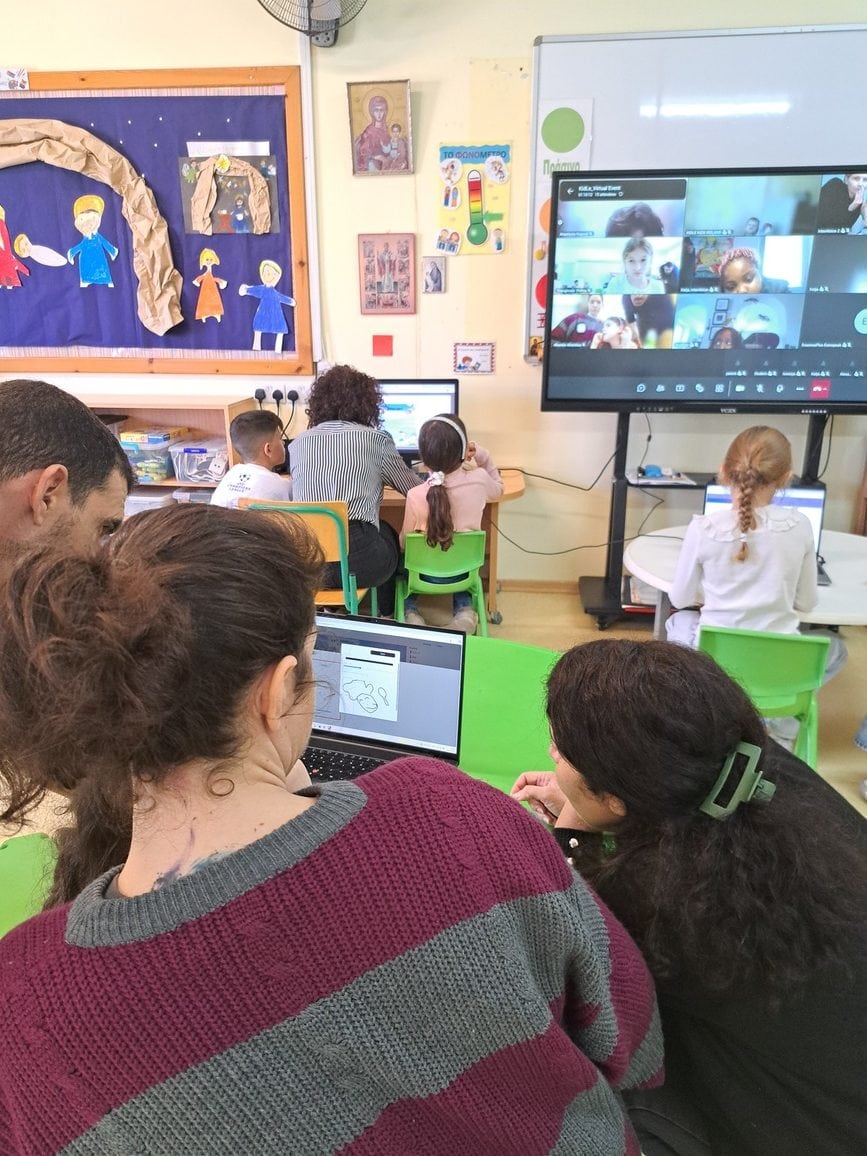
A transnational virtual play event further enriched the project, enabling children, educators, and parents from Cyprus, Austria, and Ireland to interact, explore different cultural perspectives, and collaboratively experience the games via the project’s digital platform, which hosts all national games and forms a comprehensive gaming pack.
The findings of the project’s national and transnational implementations are presented in the Impact Assessment Implementation Report confirming the high educational and social value of the games, providing evidence of their effectiveness in promoting inclusion, intercultural understanding, and collaborative learning in both school and home settings. Overall, these activities not only informed the finalisation of the intercultural online game pack but also provided evidence-based insights for future project outputs, confirming the high impact of experiential, play-based methodologies in fostering inclusion and intercultural learning.
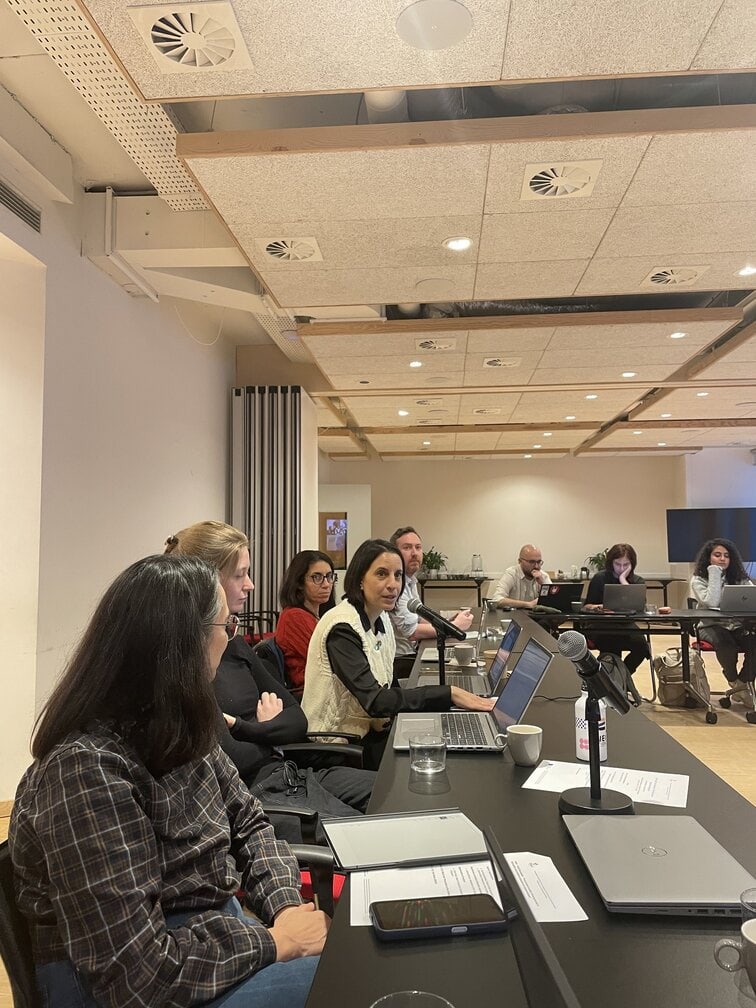
The project’s achievements were also showcased during the Final International Conference in Brussels (November 2025), which brought together educators, researchers, people from the policy sector and NGO representatives from across Europe both in person and online. Attendees had the opportunity to experience game demonstrations, explore the concept of inclusive pedagogy, and participate in discussions on the importance of involving parents from local and migrant backgrounds in educational decision-making.
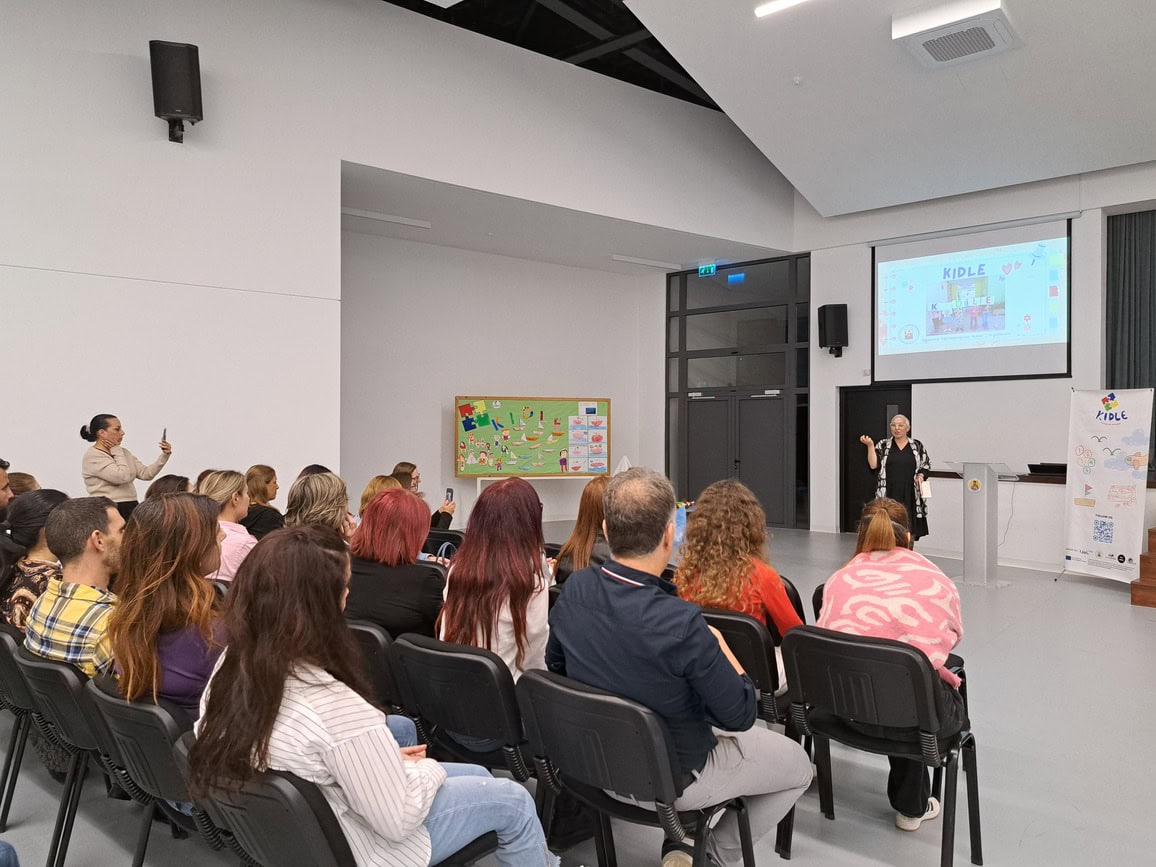
Following the Brussels conference, the final KidLe event in Cyprus highlighted the practical use of the games in classrooms, emphasizing the integration of multisensory play methodologies into Cypriot early education. The event also celebrated the project’s outcomes with the active participation of parents and educators from diverse cultural and migrant backgrounds.
KidLe has demonstrated that play is a powerful tool for integrating young learners into new educational environments while promoting intercultural understanding and language development. Teachers and parents expressed strong interest in continuing to use KidLe resources, particularly appreciating the digital platform and requesting printable and editable versions of the games for use in schools and at home. In response, the consortium made all national board games available through the open-access Zenodo repository, allowing free access, download, and adaptation to local contexts.
The national board game of Cyprus title ‘The Journey’ is available in English and Greek languages. An empty version of the board is also provided, allowing the content to be adapted to additional languages or game variations, according to local needs, always in compliance with the Creative Commons Attribution-Non-Commercial-No-Derivatives 4.0 International License.
Thus, the project’s board games, digital resources, and pedagogical handbook are openly accessible, ensuring long-term impact through the digital platform, website, and Zenodo repository, where users can review, download, and adapt materials while properly citing the KidLe team.
The University of Limassol and Agios Spyridonas Kindergarten, extend heartfelt thanks to all participating schools, families, and partners at local level and across Europe. Their contribution and commitment were vital to the success, sustainability, and lasting impact of the project.
For the project resources follow the links below:
Website of the project: https://kidle-eu.org/
Digital gaming pack platform (all five games available in ten languages): https://kidle.monikom.com/en
Zenodo platform:
Pedagogical Handbook (in all partner languages): Pedagogical Handbook on the Intercultural Pack of Digital Games
‘The Journey’ Board game (in English, Greek and an empty version available): The Journey Board Game [Το Ταξίδι Επιτραπέζιο Παιχνίδι]

Funded by the European Union. Views and opinions expressed are however those of the author(s) and do not necessarily reflect those of the European Union or Agência Nacional para a Gestão do Programa Erasmus+ Educação e Formação. Neither the European Union nor the granting authority can be held responsible for them. Project Number: 2023-1-PT01-KA220-SCH-00015468
 English (UK)
  Ελληνικά