


Abstract:
Positive well-being can be defined as “a state of overall health, happiness, and prosperity that includes good mental and physical health, high life satisfaction, a sense of purpose, and positive social connections.” There is a growing interest in this concept, and psychologists have devoted significant research efforts to exploring it.
Medicine, as a science, addresses both health and disease by focusing on diagnosis, treatment, rehabilitation, and prevention—alongside the promotion of overall well-being. It emphasizes symptom recognition, timely referral to healthcare services, and both care and cure, involving a wide range of disciplines from general and specialty medicine to public and mental health. However, in many healthcare systems, the primary focus remains on disease management, while health promotion and well-being are often overlooked.
Psychology connects with medicine through the field of positive well-being, which views health as more than the mere absence of disease and emphasizes coherence, resilience, and optimal functioning. This presentation will explore several areas where psychology and medicine intersect, drawing upon experiences and published collaborative work conducted by the University of Crete’s research team. The overall aim is to identify potential pathways for integrating psychology and medicine in research and to contribute to a broader discussion on future collaborative activities and programmes.
Bio
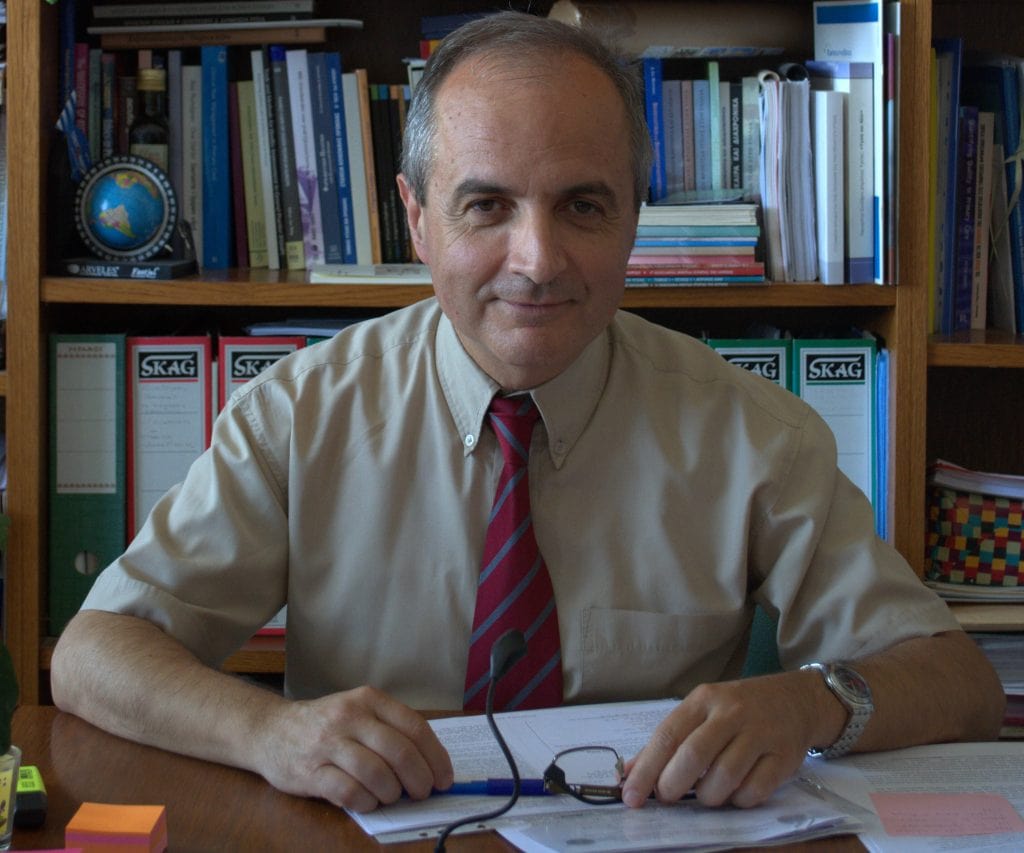
Christos Lionis is a medical doctor and Professor with a distinguished career in primary care and public health education, practice, and research. Since March 1995, he has served at the Clinic of Social and Family Medicine (CSFM), School of Medicine, University of Crete, as Professor of General Practice and Primary Health Care and Director of CSFM until August 2022. In January 2023, he was appointed Professor Emeritus of the University of Crete. He was also serving as a Guest Professor of General Practice at the Institute of Health and Medicine, University of Linköping, Sweden (since 2018), and in December 2024, he was elected Professor of Primary Health Care and Public Health at the University of Limassol, Cyprus, where he continues to serve in the Department of Psychology.
As Principal Investigator and collaborator, Professor Lionis has contributed to numerous large-scale European and international research initiatives funded by the EU and other global agencies, focusing on capacity building in primary health care and public health in Greece and worldwide. Passionate about education, he has been instrumental in advancing medical training, continuing medical education, and quality standards in primary care and public health across the nation.
He serves in editorial and advisory roles for several international journals and on executive boards of professional organisations, including as Chair of the WONCA Working Party on Mental Health. His professional distinctions include being awarded Honorary Fellowship by the Royal College of General Practitioners (2009), the World Organization of National Colleges, Academies and Academic Associations of General Practitioners/Family Physicians – WONCA (2016), and the European Society of Cardiology (2017).
Professor Lionis has published 481 papers indexed in PubMed, with an h-index of 71, i10 index of 361, and 48,735 citations (AD Scientific Index, 30 October 2025). He has also served as a member of the European Commission Expert Panel on Effective Ways of Investing in Health (2019–2022), the Specific Advisory Group of the European Medicines Agency (until 2024), and the National Committee for Mental Health Reform and Bioethics and Biotechnology (since 2022).
 English (UK)
  Ελληνικά