

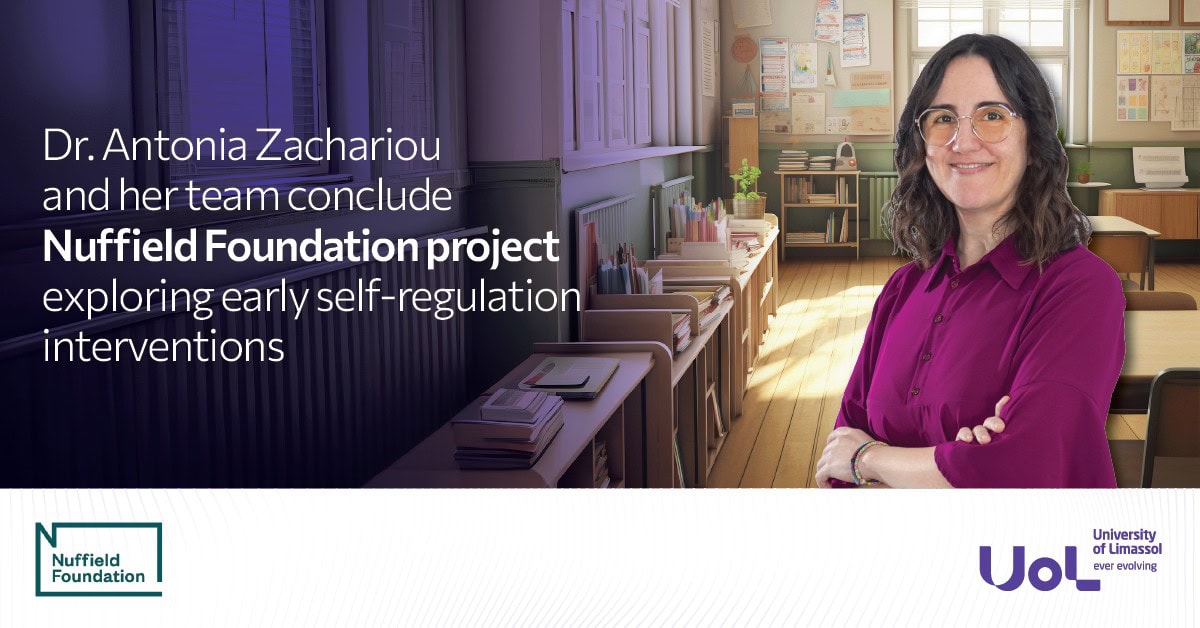
This project delved into how young children -especially those up to eight years old-develop self-regulation, the essential ability to manage emotions, attention, and behaviour. These skills lay the foundation for academic success, emotional resilience, and overall well-being. This project consisted of a systematic review of existing early self-regulation interventions, examining their methodologies, effectiveness, and potential limitations.
This new systematic review has identified the most effective approaches for supporting self-regulation in young children, reinforcing the vital role these skills play in children’s long-term academic achievement, mental health and wellbeing. The review analysed 313 intervention studies published between 2000 and 2024 involving children up to the age of eight, making it one of the most comprehensive assessments of self-regulation interventions to date.
The findings show that teacher-led, classroom-based interventions integrated into everyday learning routines are both practical and effective, with more than half of all interventions delivered by teachers rather than external specialists. Nearly half of the studies were published in the past five years, highlighting growing international recognition of self-regulation as a cornerstone of early childhood development and learning.
The review identifies a number of highly effective interventions that could inform future early years practice and policy, including teacher-focused programmes that strengthen children’s self-regulation and executive functioning by embedding evidence-based strategies into everyday classroom activities. These approaches support teacher autonomy, align with existing curricula and demonstrate how high-quality, sustainable interventions can be successfully adapted across different educational contexts.
The authors conclude that investing in teacher-led, school-based interventions for children aged three to six offers considerable potential to improve learning and developmental outcomes, providing an important evidence base to inform the future design of early years interventions.
Want to follow along? You can learn more about the project here:
Project Website
The Nuffield Foundation is an independent charitable trust with a mission to advance social well-being. It funds research that informs social policy, primarily in Education, Welfare, and Justice. The Nuffield Foundation is the founder and co-funder of the Nuffield Council on Bioethics, the Ada Lovelace Institute and the Nuffield Family Justice Observatory. The Foundation has funded this project, but the views expressed are those of the authors and not necessarily the Foundation.




 English (UK)
  Ελληνικά